


Should you be screened for lung cancer?
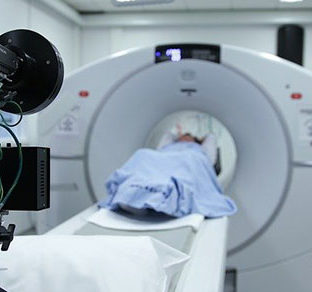 Image by Bokskapet from Pixabay

Dear Savvy Senior,
What can you tell me about lung cancer screenings? I was a big smoker but quit years ago, so I’m wondering if I should be checked out.
—Former Smoker
Dear Former Smoker,
Lung cancer screening is used to detect the presence of lung cancer in otherwise healthy people with a high risk of lung cancer.
Should you be screened? It depends on your age and your smoking history. Here’s what you should know.
Screening recommendations
The U.S. Preventive Services Task Force — an independent panel of medical experts that advises the government on health policies — recently expanded their recommendations for lung cancer screenings.
They are now recommending annual screenings for high-risk adults between the ages of 50 and 80 who have at least a 20-pack year history and who currently smoke or have quit within the past 15 years. This is a change from the 2013 recommendation that referred to patients ages 55 to 80 with 30-year pack histories.
A 20-pack year history is the equivalent of smoking one pack a day for 20 years or two packs a day for 10 years.
In 2020, lung cancer killed more than 135,000 Americans, making it the deadliest of all possible cancers. In fact, more people die of lung cancer than of colon, breast and prostate cancers combined.
Lung cancer also occurs predominantly in older adults. About two out of every three people diagnosed with lung cancer are 65 or older.
You’ll also be happy to know that most health insurance plans cover lung cancer screenings to high-risk patients, as does Medicare, up to age 77.
Screening pros and cons
Doctors use a low-dose computed tomography scan of the lungs (also called a low-dose CT scan, or LDCT) to look for lung cancer. If lung cancer is detected at an early stage, it’s more likely to be cured with treatment. But LDCT isn’t recommended for every high-risk patient.
LDCT scans have a high rate of false positives, which means that many will undergo additional (and unnecessary) screening or medical procedures — such as another scan three, six, or even 12 months later — to check for changes in the shape or size of the suspicious area (an indication of tumor growth). For some patients, the anxiety or worry that goes along with waiting can be a real issue.
Or you may need a biopsy (removal of a small amount of lung tissue), which has risks, especially for those with underlying health conditions, such as chronic obstructive pulmonary disease or emphysema. For example, in people with emphysema, there’s a chance of a lung collapsing during the procedure.
If you meet the U.S. Preventive Services Task Force criteria for high-risk lung cancer, the University of Michigan offers a free online tool (see ShouldIScreen.com) to help you decide if you should get an LDCT. It’s also important to discuss the benefits and risks with your primary care doctor before making a decision.
Tips for testing
If you and your doctor determine that you should be screened, look for an imaging facility whose staff follows American College of Radiology requirements when performing low-dose CT scans. You can find accredited facilities at ACRaccreditation.org.
This can help to ensure an accurate read of your scans by a highly trained, board-certified or board-eligible radiologist.
You may need a referral from your primary care provider. Most insurance companies, including Medicare, require this before they’ll cover the cost of screening.
Send your senior questions to: Savvy Senior, P.O. Box 5443, Norman, OK 73070, or visit SavvySenior.org. Jim Miller is a contributor to the NBC Today show and author of The Savvy Senior book.
Health 2026
#Health Study #Dear Pharmacist #Recipes #Savvy Senior #Alzheimer’s Disease #health #vaccine #Nutrition #Mayo Clinic






