

Featured Story

Sulfites can trigger asthma, headaches
Sulfites are chemicals that are often added to food and drinks to help keep them fresh. They act as preservatives, which means they stop food from spoiling too quickly. Sulfites also help prevent foods from turning brown or changing color and can slow the growth of bacteria and mold. You’ll find sulfites in many common foods. They are often used in dried fruits like raisins, apricots... READ MORE
Blood test may show risk for Alzheimer’s
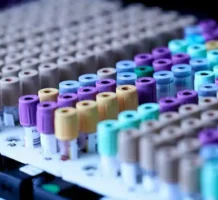
A blood test may predict if apparently healthy older adults are likely to develop Alzheimer’s symptoms in the next five or 10 years, researchers reported in July. That information could be reassuring or terrifying, but for now it’s a potential tool to speed drug development by helping to identify and enroll high-risk people in studies of possible Alzheimer’s treatments or... READ MORE
Medicare covers some GLP-1 drugs
Popular — and expensive — GLP-1 weight loss drugs just got a lot cheaper for many older Americans. Starting in July, the federal government began offering a selection of the brand-name medications to certain Medicare and Medicare Advantage beneficiaries for $50 a month through a new trial called Medicare GLP-1 Bridge. The temporary program, which runs until the end of 2027, is the ... READ MORE

For a protein-packed meal, bake a frittata
One of my favorite ways to serve up something simple yet satisfying is to prepare a frittata with ingredients that are both seasonal and colorful. The classic Italian frittata is a flat, round omelet cooked over low heat until firm and finished in the oven. They can be eaten warm or at room temperature and served for brunch, lunch or supper. Frittatas can be simple or as multilayered as... READ MORE

Why you keep waking up at 3 a.m.
It’s 3:17 a.m. Your eyes pop open. Again. You didn’t hear a noise. You don’t necessarily need the bathroom. Yet your brain has apparently decided it’s noon. If this happens regularly, don’t automatically assume you have insomnia. Don’t rush in for sleep aids. Sometimes the problem isn’t sleeping. Something could be waking you up. Here are some possibilities. 1.... READ MORE
Walking faster can help prevent frailty
You may have heard the expression “old and frail.” It conveys a clear picture of a particular type of older person who tends to be weak, thin and easily injured. Frailty does not have to be synonymous with aging, although a significant number of people do develop this condition as they advance in years. In fact, between 12% to 24% of older adults worldwide experience health issues... READ MORE

Ways to lower your risk of dementia
New blood tests that might predict Alzheimer’s years before symptoms begin may sound tantalizing for people who worry about later-in-life dementia. But doctors say the tests aren’t quite ready yet — and besides, you don’t need a test before trying to lower your risk. The U.S. Food and Drug Administration has cleared four blood tests to help doctors diagnose whether Alzheimer’s... READ MORE

Washington Ballet offers Dance for PD
When people with Parkinson’s disease (PD) walk into a dance class, they may have canes or even wheelchairs. By the end of the one-hour class, though, they’ve changed, according to longtime teacher Lucy Bowen. “You will see someone’s gait is like a shuffle, but by the end of the class, they’re lifting their feet like a Broadway dancer. It’s remarkable,” said Bowen, who has... READ MORE

Mobility tests don’t show the whole picture
Hand grip strength. Balance tests. Standing up from a seated position on the floor. These physical challenges are often touted as measurements of healthy aging and even predictors of longevity. They can provide valuable indications of your stamina and strength. They can estimate the risk of falls, which increase older adults’ risk of death. And they’re useful to doctors who work to... READ MORE
What happens when we ‘fall back’ an hour
Plan on a glorious extra hour of sleep as most of America “falls back” into standard time in November. But make sure to get outside for some morning sun, too — it’ll help your body clock reset faster. Daylight saving time ends at 2 a.m. local time on November 1, which means you should set your clock back an hour before you go to bed. Standard time will last until March 14, 2027,... READ MORE
Health 2026
#Alzheimer’s Disease #Recipes #Dear Pharmacist #health #vaccine #Nutrition #Health Study #Mayo Clinic #Savvy Senior