

When the check is not in the mail anymore
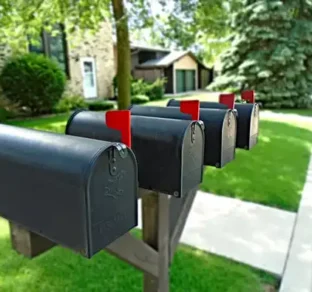 Image by dference | Pixabay

The mailbox flag goes up — a small red signal on a quiet suburban street.
Martha, let’s call her, doesn’t think twice. She’s mailed checks this way for 40 years. It’s safe. It’s familiar.
But as she walks back inside, a car slows in front of her house. Not enough to draw attention — just enough to watch. Minutes later, the mailbox is empty.
Soon after, a thief dips her check into a chemical bath, watching the ink dissolve like it was never there. He rewrites the amount. He changes the name. He cashes it before the sun sets.
Days later, Martha receives a strange call from her bank. She’d never even heard of a “bank investigator,” but he asks, “Ma’am, did you authorize a check for $4,800?”
Her heart drops. It doesn’t take long to figure out that the check she’d written for $68 — the one she’d mailed just days earlier to her electric company — had been cashed for nearly $5,000. The payee’s name was different. The handwriting wasn’t hers.
‘Washed’ checks
The bank investigator explained what had happened: A thief had washed the check — soaked it in chemicals to erase the ink, rewrote a new name and amount, then cashed it immediately. Standard operating procedure for check thieves.
Every year, postal inspectors recover over $1 billion in counterfeit checks and money orders. The checkwashing thieves are getting bolder, faster and harder to catch.
But Martha wasn’t powerless. She reported the fraud. She switched to safer payment methods, like encrypted payments, online. Those new habits will keep her one step ahead of the next thief.
Lessons learned
1. Mailboxes are a prime target for thieves.
Criminals steal outgoing mail to capture checks before they reach their destination.
2. Check washing is fast, simple and hard to detect.
Thieves use chemical solvents to erase ink and rewrite checks for large amounts.
3. Fake checks can be printed on scanners and copiers.
Scammers sometimes create counterfeit copies of your checks to cash repeatedly.
4. Never leave mail out overnight.
Retrieve mail frequently and deposit as close to outgoing mail pickups as possible.
5. Use safer payment methods.
Using online payments or secure dropoff locations lowers exposure to checkwashing scams. Call your bank or ask a family member or tech specialist to help you set up online payments.
Martha’s mistake was simply believing that the world still worked the way it used to. But she took action — she learned and adapted.
Remember that checks can be stolen. Ink can be washed. Amounts can be changed. But awareness — that’s something no thief can erase.
Anthony Cantor is the executive director of Malfeasance Awareness for Retirees Capital (MARC4U), a Virginia-based nonprofit whose mission is to protect older adults from fraud through courses, presentations and podcasts. See marc4u.org.
Money 2026
#The Savings Game #Medicare #Travel Tips #Retirement #Medigap #Love After 50 #Savvy Senior