


Acupuncture can treat many conditions

Dear Mayo Clinic:
I started chemotherapy last month, and my healthcare provider suggested I try acupuncture for nausea. How does acupuncture work? Is there any risk to trying it?
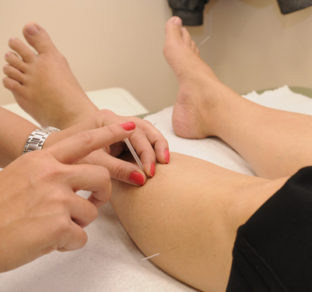
Answer: Traditional Chinese medicine, including acupuncture, dates back more than 2,500 years. Acupuncture involves inserting thin, single-use, sterile needles through the skin to identify and correct imbalances within the body’s “energy” flow, called “qi” or “chi.”
Acupuncture as a form of medical treatment has become more popular in the U.S. in recent decades. It may be useful as a stand-alone treatment for some conditions, but it’s increasingly used as part of an integrative medicine approach in conjunction with conventional (Western) medical treatments, as in your case.
Evidence suggests that acupuncture may provide a range of health benefits. In the U.S., acupuncture most often is used to treat acute and chronic pain disorders; emotional disorders, such as anxiety and depression; digestive complaints; and neurological conditions, such as migraine or stroke.
It has been used to treat respiratory conditions, gynecological disorders and infertility. There is also evidence to support its use to treat fatigue and addictions.
A general sense of well-being often is promoted through the balancing of the energy of the body. Thus, treatment can maintain that state of well-being.
How does it work?
There are multiple scientific theories about how acupuncture works. It may work at the site of application or at a distance, with the help of sensory neurons that signal changes within the peripheral and central nervous system.
One theory is that acupuncture may promote the release of the body’s own natural painkillers (endogenous opioids), alleviating or easing pain.
Insertion of acupuncture needles also may block the transmission of pain signals through the nerves to the brain. In addition, acupuncture may stimulate the release of certain brain and nerve chemicals that can ease symptoms of depression.
Acupuncture is generally safe when performed properly by an experienced practitioner. It has few side effects, especially compared to many drugs.
The most common side effects of acupuncture are soreness and minor bleeding or bruising at the needle sites. Less common risks or complications are infection or, rarely, puncture of the lung.
When not to use
Certain conditions may increase your risk of complications. Your chances of bleeding or bruising from the needles increase if you have a bleeding disorder or you take anti-clotting drugs, such as warfarin (Coumadin). So let your acupuncturist know if you are on any of these medications.
Also, tell your acupuncturist if you have a pacemaker. Acupuncture that involves applying mild electrical pulses to the needles may interfere with a pacemaker’s operation.
If your white blood cell count is low, such as after certain types of chemotherapy, your healthcare provider may recommend against any disruption of your skin to prevent infection.
Each practitioner of acupuncture has a unique style. Your practitioner may ask you about your symptoms, behaviors and lifestyle. The practitioner may closely examine the parts of your body that are painful, or the strength, rhythm and quality of the pulse in your wrist.
This history gathering and physical exam will help your practitioner determine the type of acupuncture treatment that will help you the most.
This initial evaluation may take up to one hour. Subsequent appointments usually take about 30 to 60 minutes. A common treatment plan typically involves one or two treatments a week to start.
The total number of treatments will depend on the condition being treated and its severity, but six to eight treatments are common. There’s evidence that acupuncture works best in people who expect it to work.
What to expect
Acupuncture needles are thin, so insertion usually causes little discomfort. However, you may feel a slight aching sensation that usually lasts less than 30 seconds. Between five and 20 needles are used in a typical treatment.
Your practitioner may gently move or twirl the needles after placement, or apply heat or mild electrical pulses to them. If at any time you have discomfort, let your practitioner know.
In most cases, the needles remain in place for 15 to 30 minutes while you lie still. There’s usually no discomfort when the needles are removed.
Some people feel relaxed and others feel energized after a treatment. However, not everyone responds to acupuncture. If your symptoms don’t improve within a few weeks, acupuncture may not be right for you.
If you’re considering acupuncture, take the same steps you would to choose any healthcare provider. Ask people you trust for recommendations. Check the practitioner’s training and credentials.
Most states require that non-physician acupuncturists pass an exam conducted by the National Certification Commission for Acupuncture and Oriental Medicine.
In addition, talk to the practitioner and ask what’s involved in the treatment, how likely it is to help your condition, and how much it will cost. In some cases, insurance covers treatment.
A growing number of healthcare providers use acupuncture as part of their clinical practice, including specialists at Mayo Clinic.
— Kirsten Paynter, M.D., Physical Mecine and Rehabilitation, Mayo Clinic, Phoenix, Ariz.
Mayo Clinic Q & A is an educational resource and doesn’t replace regular medical care. E-mail a question to MayoClinicQ&A@mayo.edu. For more information, visit www.mayoclinic.org.
© 2018 Mayo Foundation for Medical Education and Research. All rights reserved. Distributed by Tribune Content Agency, LLC.
Health 2026
#Dear Pharmacist #Recipes #Savvy Senior #Alzheimer’s Disease #health #vaccine #Nutrition #Health Study #Mayo Clinic






