



What causes bad breath and what helps?
Almost everyone experiences bad breath once in a while. But for some people, bad breath is a daily problem, and they struggle to find a solution. Approximately 30% of the population complains of some sort of bad breath. Halitosis (Latin for “bad breath”) often occurs after a garlicky meal or in the morning after waking. Other causes of temporary halitosis include some beverages... READ MORE

Testing a drug to delay cognitive decline
Do you or a loved one have trouble remembering appointments, conversations or even what happened yesterday? Have you noticed that it’s harder to make decisions or follow a recipe? These are symptoms of mild cognitive impairment (MCI). About 15 to 20% of people over the age of 65 have MCI, which some doctors consider an early stage of Alzheimer’s disease or other kind of... READ MORE

Men need to understand their prostate
Q: I have heard friends and family members speaking of “benign prostatic hyperplasia.” What is it? A: Benign prostatic hyperplasia (BPH) is a common condition in older men; it’s the term for an enlarged prostate gland. The prostate, which is part of the male reproductive system, is located beneath men’s bladders and is the size of a large walnut. The prostate surrounds the... READ MORE

Why sudden fainting calls for evaluation
Dear Mayo Clinic: I had a fainting spell the other day, which had never happened to me before in my 64 years. I don’t feel unwell, but a friend I was with at the time insists I should see my doctor. Is that necessary? What would they be looking for? A: Yes, make an appointment to see your healthcare provider. Fainting, or passing out — a temporary loss of consciousness also known ... READ MORE

Medicare Part B premium rising in 2020
Medicare’s “Part B” premium for outpatient care will rise by nearly 7% to $144.60 a month next year, officials said in November. They blamed rising spending on medications. The $9.10 monthly increase follows a smaller $1.50 rise this year. It comes after Social Security announced a modest cost-of-living raise for 2020 that works out to about $24 a month for the average retired... READ MORE

Most misperceive likelihood of dementia
Many older American adults may inaccurately estimate their chances for developing dementia and do useless things to prevent it, new research suggests. Almost half of adults surveyed believed they were likely to develop dementia. The results suggest many didn’t understand the connection between physical health and brain health and how racial differences can affect dementia... READ MORE

Computers may improve drugs, diagnoses
Drugmakers have embraced artificial intelligence (AI), using computers to analyze reams of data and then make predictions or recommendations. Germany’s Bayer has been testing how the technology can help diagnose complex or rare conditions, hasten drug development and more. The aspirin creator has partnered with startups and tech companies to develop software and apps to speed... READ MORE

Take a closer look at coconut oil advice
Coconut oil has seen a surge in popularity in recent years due to many touted health benefits, ranging from reducing belly fat to strengthening the immune system, preventing heart disease and staving off dementia. These claims are often backed by celebrity endorsements and bolstered by proponents of popular diets such as ketogenic and Paleo, with little support from scientific... READ MORE

Doctors safely edit genes to fight cancer
The first attempt in the United States to use a gene editing tool called CRISPR against cancer seems safe in the three patients who have had it so far, but it’s too soon to know if it will improve survival, doctors reported in November. The doctors were able to take immune system cells from the patients’ blood and alter them genetically to help them recognize and fight cancer, with... READ MORE
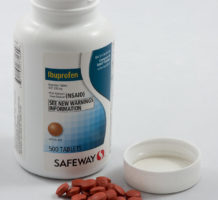
There are ways to minimize NSAIDS risks
Nonsteroidal anti-inflammatory drugs, commonly referred to as NSAIDs, are one of the most common medications used to treat pain and inflammation. Ibuprofen, naproxen, indomethacin and other NSAIDs are effective across a variety of common conditions, from acute musculoskeletal pain to chronic arthritis. They work by blocking specific proteins, called COX enzymes. This results in the... READ MORE
Health 2026
#Dear Pharmacist #Recipes #Savvy Senior #Alzheimer’s Disease #health #vaccine #Nutrition #Health Study #Mayo Clinic






