

Gratitude can change lives for the better
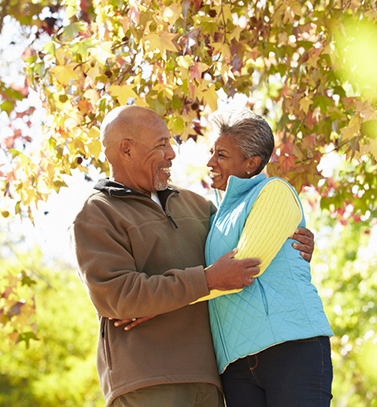
 Photo by Dmitry Zvolskiy on Pexels

The first thing Alison Jones does when she wakes up is name three things she’s grateful for. It can be as simple as the breeze from a fan or as meaningful as the way a friend showed up for her emotionally.
Jones, an organizational development consultant, said the daily practice has helped her through hardships and the anxiety and vulnerability of starting her own business as a single mom.
“When you practice gratitude, you train your brain to always look for the positive in anything. It just completely shifts everything you’re going through,” she said. “You start to see the lessons in the pain. You start to see the beauty in the very difficult times because you realize, ‘Hey, I’m growing stronger.’”
Practicing and encouraging gratitude can be a simple way to boost morale at a time when layoffs and economic uncertainty are causing stress and anxiety. Proponents say expressing and receiving appreciation can help reduce stress, as well as improve a person’s mood and outlook.
How to be more grateful
If you’re new to practicing gratitude, you can start at home with a routine such as Jones’ custom of expressing gratitude before getting out of bed.
She made her gratitude practice easy so it would become a sustainable habit. Her one rule is avoiding repetition and stretching her mind to find new things to be grateful for each day.
Jones also recommends finding a “gratitude buddy” to share with. A buddy may be a friend from work or your social circles, and ideas can be exchanged in person, by text or email or during a phone call. Many people find it helpful to list what they’re grateful for in a journal.
As humans, we often have a bias toward negativity, but gratitude “just does an enormous amount to shift people’s mindsets and the way they engage with each other,” said Peter Bonanno, a consultant who helps companies design mindfulness-based programs.
“Gratitude is especially powerful in that way. It doesn’t take a long time for people to notice an impact.”
Express thanks to others
Throughout the day, try to find time to thank the people you encounter. Your words, note or gift could mean a lot to them.
Registered nurse Denise Wittsell remembers how quiet the hospital where she works became during the pandemic. The hallways of Denver Health, typically busy with families and guests, were suddenly empty as visits from outsiders were curtailed and patients battled illnesses alone.
Once in a while, someone from the community would deliver gifts of gratitude: tasty snacks or handmade cards from schoolchildren.
“Those spontaneous recognitions were really sweet,” Wittsell said. “It just felt really kind, and it felt like there was a lot of wrapping around us, a very supportive feeling.”
—AP