


Should you get a microbiome test?
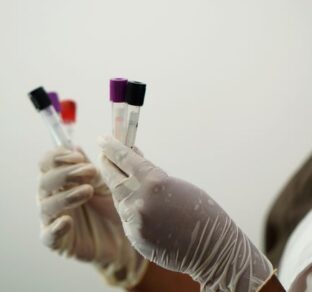 Many doctors say gut microbiome tests are not worthwhile.
Photo by

At-home gut microbiome tests are trending, selling insights to the curious, empowerment to the chronically ill and a claimed path to longevity to the wellness-conscious.
Private companies are offering tests, costing $100 to $500 or more, that promise a bacterial inventory of your intestines.
But can microbiome tests actually provide actionable health information?
As more patients arrive at doctors appointments with results in hand, frustrated gastroenterologists want people to know the tests have limits.
There’s a world in your gut and we still don’t know a lot about it
Inside our intestines, entire ecosystems of bacteria help us digest our food, absorb key vitamins, combat inflammation and much more. Research shows a healthy gut microbiome may play a role in preventing things like liver disease and diabetes and could even influence mental health.
The gut microbiome is incredibly complex and our understanding of it “is in its infancy,” said Dr. Mark Benson, a gastroenterologist for the University of Wisconsin-Madison’s health system.
“But there’s growing evidence that there are changes in the gut microbiome that are associated with different diseases, including diabetes, liver disease, obesity and inflammatory bowel disease,” he said.
There’s a key catch, though: In many cases, it’s unclear if the gut microbiome change is the cause — or an effect — of the disease.
On top of that, each person’s gut microbiome is unique, like a fingerprint. It can even vary within one person’s gut.
”Most of the variability between people, we don’t understand,” said Dr. Eamonn Quigley, the chief of gastroenterology and hepatology at Houston Methodist Hospital, who has spent 30 years researching the gut microbiome and disorders of gut-brain interactions, like irritable bowel syndrome.
How do gut microbiome tests work?
In most cases, a microbiome test involves taking a stool sample, usually using a swab or a wipe for collection. The samples are mailed to a lab for analysis.
The companies then provide a report of how the person’s mix of gut microbes compares with a supposed ideal, or outlines where things are imbalanced.
These direct-to-consumer tests are not meant for clinical use and are not federally regulated, so it’s nearly impossible to say how reliable they are. Different companies can set different standards and methods for their tests.
That raises many questions for doctors: Is the sample collection consistent and reliable? What is the science behind the benchmarks they are comparing results to? Is the stool the best place from which to take a sample, or should it come from higher up in the gut?
What can doctors do with the test results?
Physicians sometimes order stool tests, but they typically are looking for specific problems: infections, inflammation from foodborne illnesses or antibiotic use, or cancer.
When patients come in with their own results from an over-the-counter test, there is little advice to give.
“If you talk to patients, these tests are appealing. They’re cool. They’re all this data,” said Dr. Sean Spencer, a physician scientist at Stanford University. The frustration for doctors, he said, is with the lack the tools to change the microbiome.
Spencer, Quigley and Benson have all had patients bring them the results of microbiome tests. But antibiotics and diet are really the only proven tools doctors have to change the gut microbiome, Spencer said.
Occasionally, the tests show a measure of inflammation in the gut or pancreatic function that can be useful to doctors, Quigley said. But beyond that, “for most people, they’re actually wasting their money,” he said.
The list of gut bugs and purported imbalances don’t align with any medically backed treatments, the doctors said.
“The technology is jumping ahead of the clinical application,” said Quigley. “Just because you can measure something doesn’t mean to say it’s worthwhile.”
Some test results come with a pitch
The companies offering tests say they are not treating any specific conditions. But many of them — some 45%, according to a March 2024 article in Science Policy Forum — also sell supplements that they recommend to customers alongside their results.
One of those is Thorne, a wellness company that sells gut microbiome tests and includes recommendations for their supplements with their test results, alongside recommended lifestyle changes.
Chief Scientific Officer Nathan Price said he doesn’t see that as a conflict of interest. Customers are “not mandated” to buy anything, he said, but many are looking for solutions. Thorne’s test can then track if probiotics are changing their results over time.
Probiotics and other supplements are not regulated as drugs by the Food and Drug Administration, leaving many questions about which ones work and if they even contain what they claim. Research on the potential for probiotics to treat several chronic health conditions, like atopic dermatitis, high cholesterol and irritable bowl syndrome, have yielded mixed results or limited impact.
Another company, Tiny Health, recommends supplement brands based on its own testing, but it does not sell them or get money from affiliate marketing. That was an important line for Dr. Elisa Song, the company’s chief medical officer and an integrative pediatrician.
“I was very clear that Tiny Health should not be selling probiotics, because there should not be that conflict of interest there,” Song said. “You have to keep the science clean.”
You don’t need a test to improve your gut health
The gastroenterologists who spoke to The Associated Press agreed that there is no harm in taking one of these tests if you’re curious about your gut or want to contribute to a company’s research.
But you can improve your gut health without the tests, the doctors said.
“I would not significantly change therapy or take a bunch of expensive supplements based on these results,” Benson said.
Instead, eat lots of plant-based fiber and protein. Improve your sleep. Move your body. See a doctor for serious gut symptoms, such as bloody stool, ongoing constipation and diarrhea or severe pain.
Spencer, who is the medical director of the Microbiome Diagnostics and Therapeutics at Stanford Medicine, looks forward to the day doctors treat the microbiome by tailoring treatments to address imbalances.
He and the other gastroenterologists said they understand the frustrations of people with complex, hard-to-treat digestive conditions. The testing companies say they are trying to drive that technology forward.
“I think there has to be more research. We need the evidence,” Song said. “We need to have the evidence to make this the standard of care.”
The Associated Press Health and Science Department receives support from the Howard Hughes Medical Institute’s Department of Science Education and the Robert Wood Johnson Foundation. The AP is solely responsible for all content. © 2025 by The Associated Press.
Health 2026
#Dear Pharmacist #Recipes #Savvy Senior #Alzheimer’s Disease #health #vaccine #Nutrition #Health Study #Mayo Clinic






