


What diabetics should know about COVID
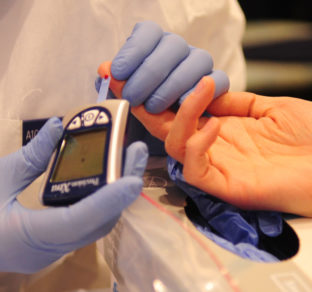 U.S. Air Force Photo by Senior Airman Brittany Perry

Dear Savvy Senior,
My husband and I are both in our late 60s, and have diabetes. We would like to find out if our diabetes increases our risk of getting the coronavirus.
Concerned Diabetics
Dear Concerned,
Currently, there’s not enough data to show that people with diabetes are more likely to get coronavirus (COVID-19) than the general population. But the problem for diabetics is, if you do happen to contract the virus, your chance of developing serious complications are much higher. This is especially true if your diabetes isn’t well controlled.
Here’s what you should know:
Diabetic risks
Health data is showing that about 25% of people who go to the hospital with severe COVID-19 infections have diabetes. One reason is that high blood sugar weakens the immune system and makes it less able to fight off infections.
Your risk of severe coronavirus infection is even higher if you also have another condition, like heart or lung disease.
If you do get COVID-19, the infection could also put you at greater risk for complications like diabetic ketoacidosis (DKA), which happens when high levels of acids called ketones build up in your blood.
Some people who catch the new coronavirus have a dangerous body-wide response to it, called sepsis. To treat sepsis, doctors need to manage your body’s fluid and electrolyte levels. DKA causes you to lose electrolytes, which can make sepsis harder to control.
How to avoid COVID-19
The best way to avoid getting sick is to stay home as much as you can. If you have to go out, keep at least six feet away from other people. Cover your nose and mouth with a mask. And every time you come back from the supermarket, pharmacy or another public place, wash your hands with warm water and soap for at least 20 seconds.
Also wash your hands before you give yourself a finger stick or insulin shot. Clean each site first with soap and water or rubbing alcohol.
To protect you, everyone in your house should wash their hands often, especially before they cook for the family. Don’t share any utensils or other personal items.
And if anyone in your house is sick, they should stay in their own room, as far as possible from you.
The CDC also recommends that you stock up on medications and diabetes testing supplies to last for at least a month. The same goes for grocery supplies and other household necessities.
Medicare is now covering the cost of telehealth visits, so if you have questions for your doctor, you can ask by video chat or phone instead of going into the office.
If you get sick
The most common symptoms of COVID-19 are a dry cough, fever or shortness of breath. If you develop any symptoms that are concerning, call your doctor about getting tested.
If you find that you have contracted COVID-19, the first level of care is to stay home and check your blood sugar more often than usual, and check your ketones.
COVID-19 can reduce your appetite and cause you to eat less, which could affect your levels. You also need more fluids than usual when you’re sick, so keep water close by, and drink it often.
You should also know that many over-the-counter medicines that relieve virus symptoms like fever or cough can affect your blood sugar levels. So, before you take anything, check with your doctor.
And be aware that if you start experiencing severe shortness of breath, high levels of ketones or DKA symptoms like severe weakness, body aches, vomiting or belly pain, you need to see your doctor or get to an emergency room right away.
Health 2026
#Dear Pharmacist #Recipes #Savvy Senior #Alzheimer’s Disease #health #vaccine #Nutrition #Health Study #Mayo Clinic






