


What is a balanced meal these days?
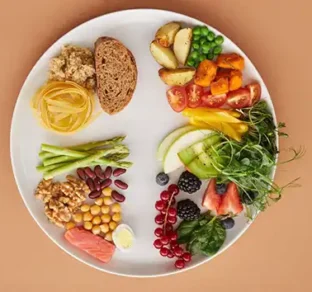 Photo by Vanessa Loring | Pexels

Simple adjustments to overall eating patterns, like building your plate around produce, powerful proteins and whole grains, can encourage better health.
Nutritious meal-planning can be easy, affordable and delicious — and it all starts with a little balance.
Consider this advice from the American Heart Association’s Healthy for Good initiative, nationally sponsored by the Egg Nutrition Center, to adequately round out a healthy plate.
Half your plate: Fruits and veggies
Fill about half your plate with produce. For a little variety, look for fruit and veggie blends or step out of your usual routine and try something new.
Grocery tip: Frozen fruits and veggies are often cheaper and just as delicious as their fresh counterparts. Just be sure to avoid products with added salt or sugar.
Quarter of your plate: Protein
High-quality protein from foods, along with a balanced diet and regular exercise, can help support your muscles. A quarter of your meal should be protein like skinless chicken breast, no-salt-added beans, low-sodium tuna, tofu or eggs.
According to the American Heart Association’s guidelines, healthy people can include up to one whole egg daily, and up to seven per week, as part of a heart-healthy diet. For older adults with normal cholesterol, two eggs per day is acceptable.
Eggs deliver both protein and choline, nutrients that help support growing brains and bodies, especially early in life. In fact, many Americans don’t get enough choline, a critical nutrient for supporting brain development, memory and mood.
Save a corner for whole grains
Finally, fill that last quarter of the plate with ready-to-go whole grains, many of which provide dietary fiber that can support a healthy heart and healthy digestion. (Conversely, most refined grains contain little or no fiber.)
Examples of whole grains include barley, brown rice, corn, oatmeal, rolled or steel-cut oats, popcorn, quinoa and wild rice, along with products labeled “whole grain” or “whole wheat” like bread or pasta.
Grocery tip: Look for whole grains that can make mealtime a cinch. Corn tortillas, instant oats and even popcorn can help you create nutritious plates and better snacks. Try keeping packets of pre-cooked brown rice on hand to bulk up favorite dishes or toss with leftovers to round out a healthy plate.
Nutrition isn’t just about what’s on your plate; it’s also about what’s next to it and how much is on it. Pair a balanced meal with this advice to help take healthy eating to the next level.
Stay hydrated
If it’s not already a habit, drink a glass of water at each meal. Staying hydrated helps your heart pump blood throughout the body, get rid of waste and regulate body temperature.
While water is the best source of hydration, water-rich foods like fruits and vegetables can also play a role.
Watch your portions
Pay attention to suggested servings from your favorite food groups. For example, one slice of whole-grain bread, half a cup of cooked pasta and two ounces of cheese (about the size of a domino) are the suggested serving sizes for these popular foods.
Tips for portion control:
- When cooking at home, offer the proper serving size to each family member then put extra food away for leftovers.
- When dining out, skip appetizers and split your meal with a friend or partner.
- Avoid eating while watching TV or at your computer. It may be harder to control how much you’re eating if you’re not paying full attention.
- Measure out your snacks — even fruits and veggies — into appropriate portions instead of helping yourself directly from the bag or box.
Limit salt
While sodium supports vital functions like controlling your body’s fluid balance, excess sodium in your bloodstream pulls water into the blood vessels, increasing the amount of blood inside them and thus increasing blood pressure.
More than 70% of the sodium people eat comes from packaged, prepared and restaurant foods due to salt added for flavoring, stabilizing, preserving and reducing bacterial risk, according to the American Heart Association.
Cutting back on sodium can help reduce the rise in blood pressure that occurs as you age, even if you don’t have high blood pressure now. It may also help reduce the risk of heart attack, heart failure, kidney disease and more.
Cook more meals at home, where you can control sodium intake, flavoring foods with herbs and spices instead of table salt and rinsing canned beans and vegetables to wash away excess sodium.
Making health-conscious decisions with your at-home menu doesn’t have to be complicated, but it does require commitment and a little more planning.
Visit heart.org to discover more nutrition guidance for heart-healthy meals. This article was sponsored by the American Heart Institute.
Health 2026
#Health Study #Dear Pharmacist #Recipes #Savvy Senior #Alzheimer’s Disease #health #vaccine #Nutrition #Mayo Clinic






