


The science behind trending beverages
Functional beverages — or drinks promoted as offering mental or physical benefits beyond hydration — are growing in popularity around the world. Hundreds of companies have jumped into the market, hoping to get some buzz with trendy and sometimes unfamiliar ingredients. Here are some of the latest ones found in functional beverages and what scientists say about them: Adaptogens —... READ MORE

Latest Alzheimer’s drug off to slow start
The first drug shown to slow Alzheimer’s disease hit the U.S. market over a year ago, but sales have lagged, major hospital systems have taken months to start using it, and some insurers have rejected coverage. Doctors also expect some patients will hesitate to take Leqembi due to its limited impact and potential side effects. They say it will take years to learn how best to deploy the ... READ MORE

Pancreatic cancer symptoms, treatment
Dear Mayo Clinic: My mother was diagnosed with diabetes, but due to abdominal pain and other issues, her doctor suspects she might have pancreatic cancer. How is pancreatic cancer diagnosed, and what are the symptoms to watch for? A: I am so sorry to hear about your mother’s recent issues. It can be a scary time for everyone when there is uncertainty related to a cancer diagnosis,... READ MORE

Foods that can interact with medications
When I visited a nursing home the other day, I realized that everyone there takes so many medications. I’m pretty sure there could be a lot of food-drug interactions going on that no one is aware of. In the United States, an alarming trend shows that nearly half of us are on prescription medication, raising concerns about potential interactions with everyday dietary choices. As... READ MORE
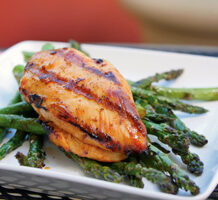
Grilled chicken and asparagus, fruit dessert
High cholesterol is one of the major controllable risk factors for heart disease and stroke, with about 38% of American adults diagnosed with high cholesterol, according to the American Heart Association. Healthy eating doesn’t have to be difficult or require you to take favorite meals off your family’s menu. These cooking tips can help you prepare heart-healthy meals that could help ... READ MORE
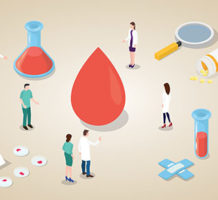
Blood thinners can raise bleeding risks
Q: My doctor started me on Eliquis for atrial fibrillation. How does that prevent a stroke? When should I be worried about bleeding? A: Doctors prescribe medications to help prevent unwanted blood clots in the heart, arteries and veins, most often to prevent heart attacks, strokes and deep vein thrombosis. They are often referred to as “blood thinners,” even though they don’t... READ MORE
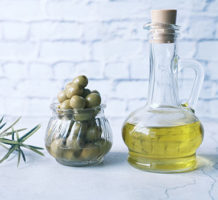
Foods can improve skin from the inside
Your skin is the biggest barrier between your body and the outside world. It works hard to protect against the sun and environmental pollutants that can cause damage. All that hard work can begin to show on your face — literally — through freckles, sunspots, hyperpigmentation, wrinkles and sagging, and even lead to development of skin cancer, said Felice Ramallo, RDN, lead dietitian... READ MORE

Medicare limits coverage for weight loss
Dear Savvy Senior, Does Medicare cover any weight-loss treatments for overweight retirees? I just turned 65 and need to lose about 100 pounds and would like to know if Medicare can help. —Overweight Owen Dear Owen, Traditional Medicare does cover some weight-loss treatments, like counseling and certain types of surgery for overweight beneficiaries. But unfortunately, it... READ MORE

When should an older driver stop driving?
When my grandmother repeatedly clipped the mailbox backing out of her driveway, she always had a ready explanation: “The sun was in my eyes,” or “Your grandfather distracted me.” Our family knew we needed to take action. But no one wanted to be the one to ask her to stop driving. She was fiercely independent, didn’t agree that her driving was a problem, and didn’t appreciate... READ MORE

Ways to make time for aerobic exercise
Q: I know I need to get more exercise. But my day gets so busy I don’t see how I can find 30 minutes to do it. Suggestions, please. A: Standard exercise guidelines call for at least 150 minutes per week of moderate-intensity aerobic exercise. But like you, many people have trouble reaching this mark. Often the barrier is thinking these requirements take too much time and effort. In... READ MORE