


Are nitrates good or bad for your health?
Nitrates in cured meats — such as bacon, hot dogs and cold cuts — have long had a reputation for being unhealthy. But more recently there’s been a lot of talk about the health benefits of nitrates in beets and other vegetables. Nitrates are compounds made up of nitrogen and oxygen. Most come from plants, such as leafy greens, beets and celery. But they are also added to... READ MORE
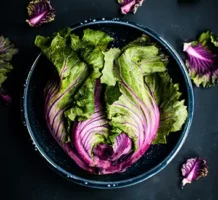
There’s a better way to clean these foods
Prepping your ingredients is an essential part of the cooking process. Most of us probably don’t think too much about how we wash fruits, veggies and other foods, but as with most things, there’s a right way and a wrong way to do it. Sometimes, incorrect cleaning means a little grit in your salad. But in other instances, it can be the difference between a memorable meal and a... READ MORE

When should one stop driving? Part II
This is the second half of a two-part article on making decisions about driving as we age. It’s a simple but unfortunate fact: Driving skills can wane over time. Eventually, driving can become unsafe for an older driver, their passengers and others on the road. If you notice a decline in driving abilities in a loved one or in yourself, what’s the best way to handle this? If... READ MORE

A new way to look at toilet paper choices
Imagine being in the store trying to decide which toilet paper is best for you. It’s about comfort versus environmental concern. Should you buy virgin white, soft toilet paper, or should you buy recycled paper because it’s thought to be more eco-friendly? While that decision is entirely up to you, I’ll share some information about each type of toilet paper to help you make an... READ MORE
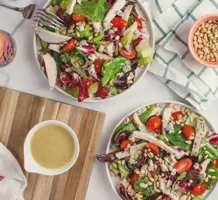
Salad veggie vitamins get boost from fat
It’s no secret that a salad filled with bright, colorful fruits and veggies makes for a delicious start to your meal, or is the meal itself. And you probably know that what we choose to top our salads — think beans, croutons, bacon bits, lean meats, etc. — can affect the health of said salad for better or worse. Pros and cons of salad dressing Salad dressings are another way to... READ MORE

Living with slow-growing prostate cancer
Q: I have prostate cancer and just started active surveillance. I’m glad I don’t need to have surgery or start treatment immediately. Meanwhile, while I am being monitored, what can I do to help stop the cancer from spreading? A: Active surveillance is an option for men with low-grade cancer (cancer confined to the prostate gland and less likely to spread). Most often this refers... READ MORE
Less alcohol, or none, for better health
It’s wine time. Beer Thirty. Happy hour. Five o’clock somewhere. Maybe it’s also time to rethink drinking? Moderate drinking was once thought to have benefits for the heart, but better re- search methods have thrown cold water on that. “The scientific consensus has shifted due to the overwhelming evidence linking alcohol to over 200 health conditions, including cancers,... READ MORE

Background noises might improve sleep
You may have heard of white noise used to mask background sounds. Now, it has colorful competition. There’s a growing buzz around pink noise, brown noise, green noise — a rainbow of soothing sounds — and their theoretical effects on sleep, concentration and the relaxation response. The science is new, with only a few small studies behind it. But that hasn’t stopped thousands... READ MORE

How to find and evaluate a new doctor
Dear Savvy Senior, Can you recommend some good resources to help me locate some quality doctors in my area? I’m looking for an orthopedic doctor for my 77-year-old mother and a new internist for me, since my doctor retired last year. —Searching Susan Dear Susan, Finding and researching doctors is a lot easier than it used to be. Today, there are variety of websites you can... READ MORE
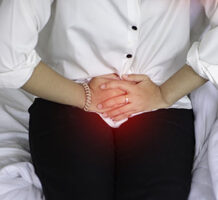
Myths and facts about urinary infections
Dear Mayo Clinic: As a woman in my mid-60s, I have been diagnosed with a urinary tract infection for the first time ever. I was surprised to find out that I don’t need antibiotics because I don’t have any symptoms. There’s a lot of conflicting information online about UTIs, like whether every infection needs to be treated and if sex causes an infection. Can you help me distinguish ... READ MORE